16 Oct

Binary options brokers and slippage questions traders should ask

Binary options brokers and slippage questions traders should ask

Understanding Slippage in Binary Options Trading

When engaging in binary options trading, understanding the concept of slippage is crucial. Slippage occurs when there is a difference between the expected price of a trade and the actual price at which the trade is executed. This often happens during periods of high volatility or when there is low liquidity in the market. Traders should be aware of this phenomenon and how it affects their trading outcomes.

The Nature of Slippage

Slippage in trading can be both a daunting challenge and, sometimes, a surprising benefit. Typically considered a disadvantage, slippage results from fluctuations in the market that occur between the moment a trade order is placed and when it gets fulfilled. The price difference may be minor, yet over time, it can significantly impact a trader’s bottom line. In essence, slippage reflects an inherent market risk, indicating the dynamic nature of price movements, especially in highly volatile markets.

Questions to Ask Binary Options Brokers

To mitigate the risks associated with slippage, due diligence in selecting a binary options broker becomes paramount. Prospective traders should engage brokers in discussions to clarify how their platforms manage slippage.

How Does Your Platform Handle Slippage?

It’s important to inquire about the broker’s policy on slippage. Some platforms might have mechanisms to reduce slippage, such as faster execution speeds or guaranteed fills at the requested price under normal market conditions. Understanding these details can help assess the broker’s reliability and ensure transparency in trading executions. Recognizing the time sensitivity in placing trades allows traders to make more strategic decisions.

Can Slippage Be Beneficial?

While slippage is generally seen as a negative occurrence, it’s possible to experience positive slippage, where the trade is executed at a better price than expected. This phenomenon occurs when market conditions shift favorably more than anticipated. Traders should ask the broker whether their platform allows for the possibility of positive slippage, as this can significantly impact trading strategies and potentially enhance profits.

What Are Your Spread and Commission Rates?

Since slippage can affect the cost of trading, understanding the broker’s spread and commission rates is essential. These costs can compound the effect of slippage, thus impacting the overall profitability of trades. Asking about hidden fees and charges is also recommended, ensuring that the advertised rates represent the true cost of trading and allowing traders to accurately calculate potential returns on investment.

Do You Provide Protection Against Slippage?

Some brokers offer slippage protection policies or features, such as guaranteed stop-loss orders or price improvement opportunities. Inquiring about these protections can aid in selecting a broker that minimizes potential negative impacts on trades. Such measures can provide peace of mind by reducing unforeseen costs and aligning trade executions closer to intended outcomes.

Factors Influencing Slippage

Several factors influence the likelihood and extent of slippage in binary options trading:

Market Volatility: High volatility can lead to rapid price changes, making slippage more likely. Certain economic announcements or geopolitical events can exacerbate this volatility, leading to unpredictable price shifts. Traders should be especially cautious during such times to avoid unwanted slippage.

Liquidity: Markets with lower liquidity often experience more significant slippage, as there are fewer buyers and sellers to match orders. When trade volumes dwindle, the possibility of price discrepancies grows, reflecting the challenge of finding a counterparty quickly at desired price levels.

Execution Speed: Delays in order execution can result in prices moving away from the desired level, leading to slippage. Modern trading platforms strive to minimize these delays through advanced technology, thereby enhancing the reliability of price quotes at the time of order placement.

Mitigating Slippage Risks

Traders can take various steps to minimize their exposure to slippage, ensuring a more stable and predictable trading experience.

Choose Brokers with Fast Execution

Opt for brokers that prioritize fast execution speeds. This reduces the likelihood of slippage occurring between the time an order is placed and when it is executed. By doing so, traders can take advantage of the quoted prices more effectively and make timely decisions during critical market moments.

Trade During Optimal Market Hours

Consider trading during times when the market is most liquid, such as the opening and closing times of major financial centers. These periods generally correspond to spikes in trading activity, ensuring a robust pool of buyers and sellers. This can help in minimizing slippage due to increased market participation and stabilized price movements.

Implementing Risk Management Strategies

Using sound risk management strategies, such as setting stop-loss and take-profit points, can help mitigate potential losses due to slippage. By defining these boundaries, traders safeguard themselves against sharp adverse shifts in prices, allowing for better-controlled trading outcomes even with fluctuating market dynamics.

For more information about binary options brokers and trading strategies, you can visit expert trading websites such as Investing.com or FXStreet. Understanding these fundamental aspects of trading will equip traders with the knowledge needed to make informed decisions and optimize their trading strategies.

Conclusion

In conclusion, understanding slippage in binary options trading is integral to executing effective trading plans. While slippage traditionally carries a negative connotation due to its potential to disrupt expected trade outcomes, recognizing circumstances under which positive slippage may occur can transform it into a favorable element. By asking relevant questions and choosing brokers wisely, traders can mitigate the risks associated with slippage. Moreover, adapting strategies to accommodate fluctuations, managing risks meticulously, and seizing moments of high liquidity form the backbone of sound trading practices that guard against unforeseen market dynamics. Through meticulous preparation and tactical flexibility, traders can align their strategies with real-world market conditions, converting potential challenges into opportunities for growth.

Creating a well-rounded understanding of slippage and market mechanics will provide any trader with a significant advantage. In trading, knowledge is power, and staying informed is the key to success.

09 Oct

Binary options broker spreads versus fixed payouts

Binary options broker spreads versus fixed payouts

Understanding Binary Options

Binary options are a popular and straightforward form of financial trading that engage investors in predicting the price movement of specific assets within a set period. This prediction-based trading model results in either a predefined payout or no return at all, depending on the accuracy of the forecast. The appeal of binary options trading largely stems from its simplicity, making it accessible to investors who may not have extensive experience in complex financial markets.

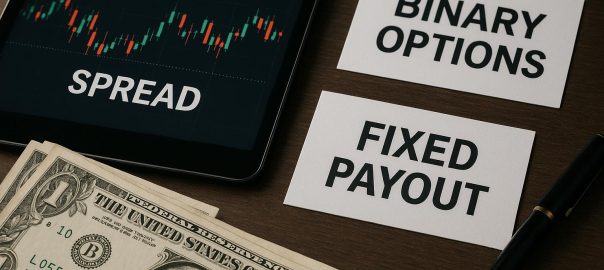
Broker Spreads vs. Fixed Payouts

Within the scope of binary options trading, investors frequently encounter two fundamental concepts: broker spreads and fixed payouts. These concepts are integral to understanding how trading works in this field and can significantly influence trading decisions. Here, we will delve deeper into each to highlight their roles and impacts on investments.

Broker Spreads

The term broker spreads refers to the difference that exists between the buying (bid) and selling (ask) prices of an asset. This difference, commonly referred to as a spread, plays a pivotal role in determining potential profitability for traders. The spread is fundamentally the cost of trading, and it can influence overall returns in several ways:

The cost of entry into a trade is determined by the spread. A wider spread implies a higher cost, which in turn can diminish the potential profits a trader might realize. If the spread becomes excessively wide, it may even surpass potential gains, making it financially unviable for traders to initiate or maintain certain transactions.

Market volatility can result in fluctuations of the spread. During periods of significant market movement, the spread often widens. This widening can add to the cost of trading and might increase the chances of a trade being unprofitable. Understanding the nature of spreads, especially during volatile conditions, becomes crucial as it helps traders make informed decisions and strategize effectively.

It’s important for traders to remain informed about the broader implications of broker spreads by consulting reliable resources, such as this SEC page on binary options trading.

Fixed Payouts

In contrast to broker spreads, fixed payouts provide a level of certainty that many traders find appealing. A fixed payout structure offers a predetermined return on investment, contingent upon the successful prediction of an asset’s price movement. Several key characteristics define fixed payouts:

The clarity in returns provided by fixed payouts is invaluable to traders. Knowing the potential return upfront allows traders to manage risk more effectively. This transparency aids in setting clear expectations and orchestrating a more calculated trading strategy.

Fixed payouts contribute to a simplified decision-making process. Since they are unaffected by the variable nature of spreads, they offer a more straightforward approach to trading. Traders can focus on making accurate predictions without constantly reevaluating the cost implications of entering or exiting trades.

Evaluating the Impact

When it comes to selecting between broker spreads and fixed payouts, traders should undertake a thorough evaluation considering several critical factors:

Risk Tolerance: Every trader has distinct preferences regarding risk. Those who seek predictability might prefer the consistent nature of fixed payouts. In contrast, some traders may embrace the uncertainty of spreads as part of their risk management strategy, often in pursuit of potentially higher returns.

Market Conditions: The prevailing market environment plays a significant role in shaping trading decisions. During times of heightened volatility, spreads are more likely to fluctuate. Traders must be attuned to these conditions and may choose fixed payouts to mitigate the uncertainty spread movements introduce.

Broker Offerings: Different brokers provide varying spread ranges and payout rates. It’s crucial for traders to conduct comprehensive research into broker offerings, as the discrepancies in spreads and payout structures can notably influence trading outcomes.

Conclusion

Binary options trading presents a dynamic landscape where critical decisions revolve around understanding broker spreads and fixed payouts. Each concept offers unique advantages and potential drawbacks, which traders must weigh carefully against their strategies and market conditions. By enhancing their understanding of these core concepts, traders can bolster their ability to navigate the binary options market successfully. A thoughtful approach to incorporating these insights into a coherent trading strategy will likely improve trading results and contribute to a more informed and strategic trading experience in binary options.

02 Oct

How to compare binary options broker payout consistency

How to compare binary options broker payout consistency

Understanding Binary Options Broker Payout Consistency

Binary options trading involves a straightforward but strategic decision-making process where traders predict whether the price of a specific asset will rise or fall within a designated time frame. Traders collaborate with brokers to facilitate these trades, making the broker’s role pivotal to a trader’s success and the overall trading experience. One of the most critical factors that traders consider when choosing a broker is the consistency of their payout rates. This article delves deeper into how traders can effectively compare and evaluate payout consistency among binary options brokers.

What is Payout Consistency?

In the realm of binary options, payout consistency refers to the ability of a broker to maintain stable and reliable payout rates over time, irrespective of external market conditions. Consistency in payout rates is paramount as it engenders trust and allows traders to strategize effectively. A broker that demonstrates a high level of consistency in payouts enables traders to anticipate potential returns more accurately, subsequently assisting in the formulation of more robust trading strategies.

Factors Influencing Payout Consistency

Understanding the factors that influence payout consistency is essential to evaluate a broker’s reliability. Several key elements come into play:

Market Volatility: The volatility of a market can significantly impact a broker’s payout rates. Highly volatile markets often result in fluctuating payouts, which can introduce uncertainty in a trader’s strategy. Brokers that manage to maintain stable payout rates despite these fluctuations are considered more reliable and desirable.

Asset Types: The diverse range of assets available for trading—such as currencies, stocks, commodities, and indices—often exhibits different payout rates. A broker that provides consistent payouts across multiple asset types showcases a higher level of stability and reliability. Consistent performance across varied assets indicates that a broker has a resilient payout structure.

Operational Transparency: Transparency in operations is another significant factor affecting payout consistency. Brokers that operate with clear and transparent terms and conditions are less likely to alter payout rates abruptly or without prior notice. This transparency builds confidence and aids traders in maintaining consistent expectations around potential returns.

Methods for Comparing Payout Consistency

Evaluating a broker’s payout consistency requires a methodical approach, incorporating multiple strategies to ascertain stability and reliability:

Review Historical Data: A thorough examination of a broker’s historical payout rates is a fundamental method for assessing consistency. By analyzing how payout rates have evolved over different time frames and under various market conditions, traders can gain insights into the broker’s ability to maintain stable rates. Consistent historical data is indicative of a broker’s reliability and commitment to upholding fair trading environments.

Read User Reviews: Insights from other traders who have experienced the broker first-hand can provide invaluable information. Engaging with trader communities through forums or consulting independent review sites allows potential traders to understand the broker’s performance over time. Varied reviews can reveal the broker’s consistency in real-world trading scenarios, offering perspectives that might not be evident through mere statistical analysis.

Test with Demo Accounts: Many brokers offer demo accounts that simulate the trading environment without any financial risk. Utilizing these demo accounts gives traders the opportunity to observe payout rates and assess their stability in real-time. This practical approach allows traders to experience the broker’s trading conditions and payout mechanics firsthand before committing real funds.

Conclusion

A diligent comparison of the payout consistency of binary options brokers involves considering several integral factors, such as market volatility, the range of asset types offered, and the broker’s operational transparency. Evaluating a broker’s consistency is bolstered by analyzing historical data, considering user reviews, and testing with demo accounts. Consistent payout rates play a crucial role in shaping successful trading strategies, making it a vital component in selecting the right broker. Traders empowered with the knowledge of payout consistency can make more informed decisions that align with their trading goals and risk management strategies, thereby enhancing their potential for success in the complex world of binary options trading.