17 Apr

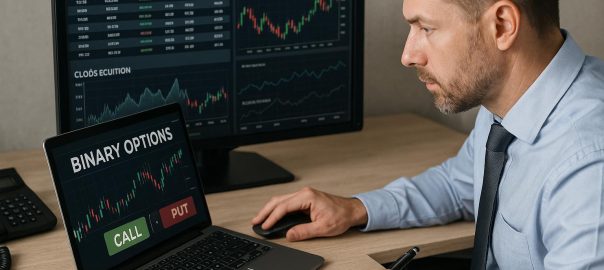
How binary options brokers handle trade execution
How binary options brokers handle trade execution

Understanding Trade Execution in Binary Options Trading

Binary options trading is a popular choice for traders looking for simplicity and clarity. However, understanding the nuances of trade execution is essential for maximizing returns. One of the critical components that influence the trading experience is the role of binary options brokers. These entities significantly impact the speed, accuracy, and overall efficiency of executing trades. Here, we delve deeper into how brokers contribute to trade execution and what traders should consider when engaging in binary options trading.

The Role of Binary Options Brokers

Binary options brokers act as intermediaries that connect traders with the financial markets. They offer a trading platform where one can access a wide array of assets, including currencies, stocks, and commodities. Essentially, brokers provide the infrastructure that allows traders to buy and sell options based on their financial strategies and market expectations.

The broker’s primary responsibility is to ensure that each trade is executed efficiently and accurately. These trades entail predictions on the future direction of market prices over specified periods. Therefore, brokers are instrumental in ensuring seamless trading operations by providing user-friendly platforms and essential trading tools.

Execution Models Employed by Brokers

Understanding the execution model a broker uses is vital as it influences the trade execution’s quality. The two primary execution models in binary options are the Market Maker Model and Direct Market Access (DMA).

Market Maker Model: Under this model, brokers take the opposite position of the client’s trade. They stand as counterparts, which means the execution of a trader’s order does not require sending the order to the actual market. This model often allows quicker trade execution due to the internalization, but may pose conflicts of interest as the broker’s gain may sometimes be directly offset by the trader’s loss.

Direct Market Access (DMA): DMA allows traders to have their orders sent directly to the financial market. Here, brokers do not take the opposite side of the trade, offering traders transparency in accessing real market prices. Traders aiming for transparency and an unbiased trading environment generally prefer this model. The DMA model aligns the broker’s interest with traders as compensation typically depends on volumes rather than trading outcomes.

Factors Affecting Trade Execution

Several elements can influence the execution quality that different brokers offer. These factors include latency, liquidity, and slippage, all of which can have a substantial impact on trading performance.

Latency: This refers to the delay between the instruction to place a trade and the actual execution of that trade. High latency can result in an unfavorable execution price, especially in fast-moving markets. Brokers invest heavily in improving technology and infrastructure to reduce latency, ensuring quicker execution times. The lower the latency, the better the trader can take advantage of market movements.

Liquidity: Ensuring sufficient liquidity is crucial for the flawless execution of trades at the expected price. Brokers with access to wider liquidity pools offer better execution prices, reducing the likelihood of drastic price deviations. Furthermore, during market fluctuations, high liquidity allows traders to continue placing trades without significant issues.

Slippage: This occurs when there is a disparity between the price at which the trade was expected to be executed and the price at which it actually is executed. High volatility can magnify slippage, leading to unanticipated trading results. Notably, brokers strive to minimize slippage by optimizing order routing and execution algorithms.

Conclusion

Trade execution in binary options holds significant importance as it directly impacts a trader’s ability to capitalize on market opportunities. Understanding the distinct execution models and factors like latency, liquidity, and slippage is pivotal for traders in making savvy decisions regarding which brokers to engage with. Selecting a binary options broker with a commitment to efficient execution practices can substantially boost a trader’s performance, leading to more favorable trading results.

By continuously evaluating broker performance in terms of execution quality, infrastructure, and transparency, traders can optimize their strategies and garner a deeper understanding of market dynamics. As the binary options market evolves, staying informed about trade execution fundamentals equips traders to manage their investments judiciously and accrately.

10 Apr

How binary options brokers make money

How binary options brokers make money

Understanding Binary Options Brokers’ Revenue Model

Binary options trading is increasingly becoming a favorite among individual investors due to its straightforward approach to speculation on asset price movements. However, to effectively navigate the binary options trading landscape, it’s vital for traders to comprehend the business model of binary options brokers. Unlike traditional financial brokers, these brokers have a distinct revenue model that capitalizes on traders’ activities. This article provides a comprehensive examination of the various revenue streams that binary options brokers exploit.

Income from Bid-Ask Spreads

One of the fundamental revenue sources for binary options brokers is the bid-ask spread. The bid-ask spread refers to the difference between the prices a broker pays when buying a binary option from a trader and the price they receive when selling it back. Essentially, traders pay the higher ask price while buying and receive the lower bid price when selling. This spread is an inherent trading cost that directly benefits the broker. Its magnitude can vary based on several factors, such as the specific asset being traded, market conditions at the time, and the broker’s own pricing strategies. For traders, understanding this spread is essential as it affects overall trading costs and potential profitability.

Trading Fees and Commissions

Beyond spreads, additional income for brokers can come from trading fees or commissions. Brokers might impose these fees as a percentage relative to the trade size or as a fixed charge per transaction. These costs vary widely among brokers; some choose not to impose additional trading fees, relying primarily on spreads, while others may utilize this as a means to escalate their earnings. Such fees become particularly significant when dealing with high-frequency traders who engage in numerous trades daily, potentially increasing their trading costs substantially. Consequently, it is crucial for traders to scrutinize the fee structures of any broker they consider engaging, ensuring a clear understanding of potential cumulative costs.

Counterparty to Trades

In numerous instances, binary options brokers operate as the counterparty to their clients’ transactions. Essentially, brokers take the opposite side of each trade a client makes. If the client achieves a profitable outcome, the broker is responsible for payout; conversely, if the client faces a loss, the broker retains the full trade amount. Brokers employ sophisticated risk management techniques to balance their books and maximize profitability, striving to offset payouts by netting them against client losses. However, this dual role presents an inherent conflict of interest, as brokers can profit directly from client losses. This aspect is crucial for traders to recognize and factor into their overall assessment of the broker’s practices.

Offering Additional Products and Services

To diversify income sources, many brokers offer additional products and services, which can include a wide array of options such as educational resources, trading signal subscriptions, risk management tools, and exclusive account features. These offerings grant brokers the opportunity to charge subscription fees or impose additional costs. For traders evaluating these services, a critical consideration is whether these additional features provide substantive value that justifies potential extra expenses. Understanding the real benefits versus the costs of these supplementary offerings is essential for making informed trading decisions.

Bonuses and Rebates

To attract new clients and incentivize active trading, brokers often provide bonuses and rebates. These promotions typically require traders to achieve specified trading volumes to withdraw the bonus. While these incentives can be appealing at face value, the conditions attached often serve the broker’s interests more robustly by encouraging increased trading volumes that elevate the potential for trader losses. Consequently, while bonuses may appear advantageous, traders must carefully evaluate the terms to ensure they do not inadvertently face heightened trading risks.

Conclusion

Binary options brokers deploy an assortment of revenue-collecting strategies from their client base. An in-depth understanding of these revenue streams allows traders to evaluate the transparency and fairness of a broker’s operations critically. By considering elements such as bid-ask spreads, trading fees, the broker’s role as counterparty, and the value of additional offerings, traders are better positioned to make informed decisions. This discernment not only optimizes their binary options trading but also prompts more strategic choices in broker selection. Conducting comprehensive research and seeking advice from financial experts can further empower traders to navigate this complex trading environment confidently.

03 Apr

Binary options broker fees that quietly eat profits

Binary options broker fees that quietly eat profits

Understanding Binary Options Broker Fees

Binary options trading has become a focal point for many investors who appreciate its straightforward approach to financial investment. Here, traders forecast the future direction of an asset’s price — predicting whether it will ascend or descend within a predetermined period. Despite the apparent simplicity and allure of binary options, numerous traders encounter unexpected broker fees that can significantly reduce their earnings. This article seeks to dissect these fees, equipping traders with the insights needed to make thoughtful decisions in their trading practices.

Overview of Binary Options Trading

Binary options are distinctive financial instruments allowing individuals to speculate on the price direction of an array of underlying assets, including currency pairs, commodities, stocks, and indices. These options differ from traditional trades in that they offer fixed payoffs and have specific expiration dates. This setup assures traders of their potential gains or losses upfront, contributing to the appeal of binary options. However, an often overlooked aspect of binary options trading is the range of hidden fees enacted by brokers, which can substantially diminish potential earnings.

Types of Broker Fees

Binary options brokers levy several types of fees that traders should be acutely aware of. These fees, though sometimes concealed within the trading framework, are pivotal to understand for anyone aiming to optimize their profits.

Trading Fees

In the landscape of binary options trading, fees are typically integrated into the trading process itself, often manifesting as decreased payouts. For instance, while a successful trade might ideally net a trader a 100% return, brokers often reduce this to 80%, retaining the remainder as a fee. This reduction in potential profit is a form of trading fee that every trader must consider.

Deposit and Withdrawal Fees

A common charge imposed by brokers, deposit and withdrawal fees can vary significantly based on the chosen payment method. Whether using electronic wallets, credit cards, or traditional bank wire transfers, each may incur different charges. It’s crucial for traders to carefully review the fee policies pertaining to deposits and withdrawals, to avoid any surprises when moving their funds.

Inactivity Fees

Another fee to be mindful of is the inactivity fee. Brokers may apply this charge if a trading account remains dormant for a specified duration. Without regular activity, a trader might find a deduction in their account balance. Understanding inactivity terms is essential for avoiding these unanticipated costs.

The Impact of Fees on Profits

Although each fee might seem inconsequential when viewed in isolation, they can collectively amass into a significant drain on profits, especially for traders who engage frequently in trading activities and transactions. Recognizing the cumulative impact of these fees is crucial to maintaining and enhancing profitability:

Reduced payouts on each trade can severely cut into profits, more so when dealing with substantial trading volumes where the impact compounds over multiple transactions.

Withdrawal fees limit a trader’s capacity to reinvest earnings or allocate profits to other financial endeavors, effectively shrinking their reinvestment potential.

Inactivity fees can unexpectedly detract from account balances, potentially curtailing the ability to execute future trades effectively, thus stymieing trading operations.

How to Minimize Hidden Fees

Traders can mitigate the impact of broker fees through thoughtful strategizing and comprehensive research:

Choosing the Right Broker

One of the primary steps to reducing fee impact is selecting a brokerage with a clear, transparent fee structure and offering competitive payout rates. Traders should invest time in comparing various brokers, scrutinizing their fee disclosures, and consulting user reviews for a realistic depiction of the costs involved.

Understanding Terms and Conditions

A diligent review of the terms and conditions concerning broker fees can be invaluable. This information enables traders to steer clear of unwarranted charges and aligns their trading activities with personal financial objectives, contributing to more informed investment strategies and better financial management.

Maintaining Active Trading

To sidestep inactivity fees, traders are encouraged to maintain a regular trading routine. Often, even minimal trading activities can suffice to prevent these fees from being enacted, ensuring that account balances remain untouched by inactivity deductions.

Conclusion

In binary options trading, broker fees are a critical determinant of a trader’s net gains. By staying informed and adopting a strategic approach, traders can make sound broker selections, comprehend fee structures, and institute practices to avoid needless charges. This meticulous attention to detail assists traders in safeguarding their profits and promotes a more fruitful trading journey. For additional insights on binary options trading, traders may find insightful resources and guidance at Financial Trader Guide.